Cooking and Entertaining Combined: Outdoor Kitchens on Your Deck
Alfresco kitchens on decks present an elegant solution for combining cooking experiences with entertaining. Such areas encourage families and friends to share dining experiences outdoors while elevating the visual appeal and practicality of a residence. Key features can transform a standard deck into a lively gathering space. However, the planning and selection of elements require careful consideration to maximize enjoyment and utility. What critical factors should be considered to develop the ultimate open-air kitchen environment?
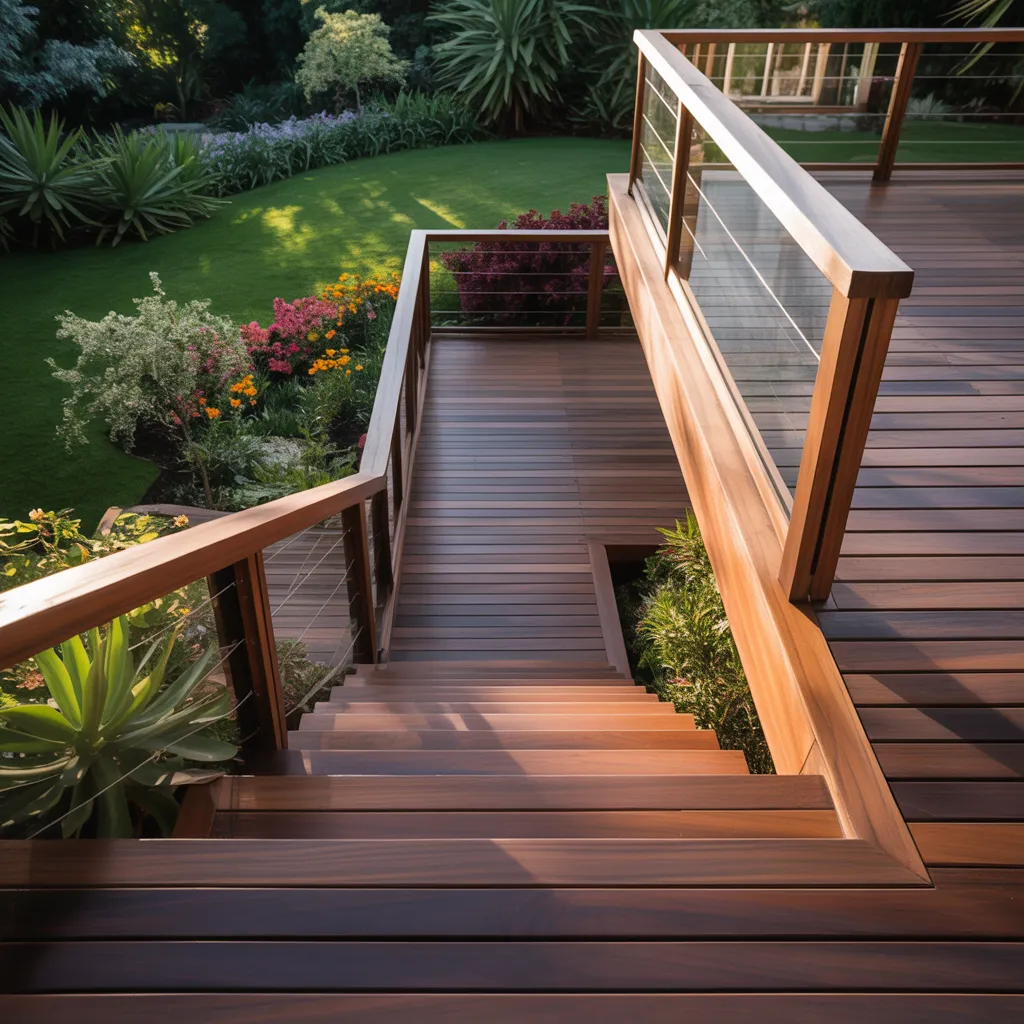
Why Your Deck Needs an Outdoor Kitchen
An outdoor kitchen turns a deck into a vibrant gathering space, elevating both practicality and fun. This addition elevates outdoor living experiences by allowing seamless cooking and entertaining in fresh air. The advantage of having culinary features outside encourages more frequent gatherings, whether it's casual barbecues or formal dinner parties.
Additionally, outdoor kitchens can help integrate the natural environment with cooking activities, fostering a one-of-a-kind ambiance that traditional indoor kitchens simply cannot offer. Loved ones can connect through shared cooking experiences while enjoying the sights and sounds of nature.
Moreover, the presence of an outdoor kitchen can increase a home's worth, making it an enticing feature for potential buyers. With abundant space for food cooking, dining, and gathering, an outdoor kitchen on a deck not only elevates everyday living but also nurtures bonds and relationships among family and friends. Consequently, the rewards of incorporating this feature are both instant and far-reaching.
Must-Have Features for Your Outdoor Kitchen
An outdoor kitchen must feature key culinary equipment to elevate the overall dining experience. Furthermore, well-designed functional workspaces are crucial for efficiency and ease of use. Combined, these elements create a seamless blend of comfort and practicality for passionate outdoor chefs.
Important Cooking Appliances
While designing an outdoor kitchen, selecting essential cooking appliances is crucial for both efficiency and satisfaction. A premium grill commonly stands as the centerpiece, providing flexibility for a range of cooking techniques. Complementing the grill, a reliable outdoor refrigerator ensures convenient availability to beverages and ingredients, boosting efficiency during entertaining. For those who enjoy versatility, a smoker can bring exceptional depth to recipes. Furthermore, a sink with running water supports meal preparation and tidying, creating an effortless culinary experience. Including a side burner allows for cooking sauces or side dishes without overwhelming the main cooking surface. Finally, a compact outdoor oven can elevate baking options, enabling homemade pizzas or desserts. These appliances combined elevate the outdoor cooking experience, rendering it both satisfying and streamlined.
Functional Office Space Design
Establishing a efficient work area in an outdoor cooking area is vital for maximizing productivity and pleasure. A strategically designed layout integrates key elements such as sufficient counter space for food preparation and serving. Installing a utility sink facilitates simple washing and improves food preparation productivity. Storage solutions, like cupboards and shelving, are important for ensuring tools and ingredients organized and accessible. Moreover, thoughtful placement of cooking appliances, such as barbecue grills and smokers, supports a smooth workflow. Plan to include a sheltered space to protect chefs from outdoor conditions while preparing meals. Finally, adding an open-air bar or lounge area encourages community gathering, enabling guests to assemble and relish the dining experience. Combined, these elements produce an inviting and practical outdoor culinary space.
Finding the Best Grill for Your Outdoor Area
Choosing the right grill for an outdoor kitchen involves careful consideration of fuel type and size. The dimensions of similar information the grill must match the space available, ensuring optimal use without overwhelming the area. Moreover, the selection between gas, charcoal, or electric can greatly impact cooking style and convenience.
Considerations for Grill Size
Selecting the appropriate grill size is important for enhancing the outdoor cooking space, as it ensures both comfort and functionality during cooking and entertaining. A grill that is too small can restrict food preparation possibilities, causing frustration when entertaining guests. Conversely, an oversized grill can overpower the space, making it appear cramped and unwelcoming.
When picking out the grill, one must take into account the usual number of guests being entertained and the types of meals prepared. For smaller households or cozy get-togethers, smaller models may be sufficient. Larger families or frequent entertainers might prefer more spacious grills that offer several cooking zones. Ultimately, the ideal grill will balance size with the overall layout of the outdoor kitchen, providing a well-organized and functional outdoor cooking setting.
Fuel Type Choices
Beyond the size of the grill, the type of fuel plays an important part in determining the suitability of a grill for an outdoor kitchen. Homeowners typically choose between propane, natural gas, charcoal, or electric grills, each offering distinct advantages. Propane grills offer portability and ease of use, making them perfect for homeowners who value convenience. Natural gas grills require a permanent connection but provide a steady fuel supply, doing away with the need to swap out tanks. Charcoal grills provide a time-honored flavor that many grilling fans enjoy, though they demand additional time and effort to heat up. Electric grills present a smokeless alternative, well-suited for limited outdoor spaces. Ultimately, the choice of fuel type should align with culinary preferences, spatial constraints, and overall lifestyle requirements.
How to Plan Your Outdoor Cooking Area
Designing an outdoor kitchen area calls for deliberate planning of numerous factors to craft a useful and attractive setting. Initially, the design should promote smooth navigation between cooking, serving, and dining areas. An open design cultivates interaction among guests while preventing overcrowding.
Next, opting for durable components is essential, as exterior conditions can be challenging. Weather-resistant surfaces and cabinets guarantee longevity and ease of maintenance.
Adding appropriate lighting is necessary for evening gatherings, elevating both safety and the overall atmosphere.
Moreover, integrating storage solutions allows for organized kitchen necessities, helping the space stay tidy and clutter-free.
Additionally, taking into account the distance from the home can boost convenience for both culinary tasks and maintenance. Combining style with usability will establish a cohesive space that promotes socializing and culinary creativity, transforming the outdoor cooking experience into something truly pleasurable.
Best Appliances for Outdoor Cooking
An outdoor kitchen that is well-equipped enhances the cooking experience and elevates social gatherings. Key appliances for outdoor cooking feature high-quality grills, which act as the focal point for barbecuing. Gas, charcoal, and pellet grills each deliver unique flavors and cooking styles, appealing to a variety of preferences.
Outdoor ovens are another valuable addition, enabling a wide range of cooking possibilities, from crafting artisan pizzas to slow-roasting meats. Additionally, smokers are capable of delivering deep, smoky tastes, attracting passionate barbecue lovers.
Refrigeration systems play a crucial role in convenience, preserving ingredients and chilling beverages. A sink with running water further streamlines the cooking process, making food preparation and cleanup more efficient.
To enhance these options, side burners offer extra room for preparing food for side dishes and sauces, making sure everything comes together at the same time. Collectively, these appliances not only enhance functionality but also elevate outdoor spaces into culinary hubs, well-suited for hosting guests.
Crafting the Perfect Cozy Outdoor Dining Space
Adding soft textiles, like cushions and table runners, creates warmth and visual appeal. To build a cozy environment, strategically placed outdoor lighting—including fairy lights or lanterns—can dramatically enhance the space for nighttime events.
Incorporating greenery with potted plants or hanging baskets adds a natural component that elevates the surrounding environment. A well-chosen centerpiece, such as a vase of fresh flowers or seasonal decorations, can act as a striking focal point.
In addition, examine the configuration of the dining space, ensuring it harmonizes with the nearby outdoor cooking and gathering spaces. This deliberate preparation makes certain that every meal transforms into a cherished memory.
How to Properly Maintain Your Outdoor Kitchen Appliances
Setting up a comfortable outdoor dining space inevitably brings about the necessity of proper upkeep of outdoor kitchen appliances. Routine upkeep ensures durability and optimal functionality. It is essential to clean grills after each use, removing grease and food particles to prevent flare-ups and rust. Outdoor kitchen appliances must be checked routinely for wear and tear, with any damaged components replaced promptly.
When it comes to countertop surfaces, using a mild cleanser and a soft cloth can help avoid stains and preserve their shine. In addition, outdoor refrigerators must operate at the right temperature, and drains ought to be cleaned regularly to prevent clogs. Using protective covers on appliances when they are not in use helps safeguard them from environmental factors, thereby increasing their durability.
Finally checking gas and electrical connections consistently guarantees overall safety. By committing to these care practices, homeowners will enjoy their outdoor kitchens for the long term, improving cooking experiences and entertainment opportunities.
Creative Design Ideas for Your Outdoor Kitchen
Outdoor kitchen spaces provide an opportunity for creative design solutions that can elevate any backyard environment. A widely favored approach involves incorporating a multi-functional island, which serves as both a prep area and a dining space, facilitating smooth and enjoyable gatherings. Integrating organic elements, such as timber or stone, can bring a warm and rustic character while harmonizing with the natural environment.
Adding an awning or pergola provides comfort and shade, enhancing the experience outdoors. A further creative method involves utilizing vertical gardens or herb walls for aesthetic appeal as well as culinary convenience.
For lighting, explore elegant pendant lights or integrated LED strips that improve the atmosphere while offering functional lighting. Additionally, adding smart innovations, such as integrated speakers or exterior refrigerators, can elevate the functionality of the space. At the end of the day, personalized touches reflect individual style, converting any outdoor kitchen into a distinctive social space for loved ones and guests.

Commonly Asked Questions
What Materials Are Best for Outdoor Kitchen Durability?
Weather-resistant composites, stainless steel, and stone are ideal materials for outdoor kitchen durability. These materials endure severe weather conditions, prevent corrosion, and preserve visual attractiveness, guaranteeing a durable and practical cooking area in exterior environments.
How Can I Shield My Outdoor Kitchen From Weather Damage?
To safeguard an open-air kitchen from environmental damage, homeowners should utilize weather-resistant covers, set up adequate drainage systems, select corrosion-resistant materials, and regularly maintain surfaces. These measures ensure lasting use and efficiency even in harsh weather conditions.
Can I Install an Outdoor Kitchen Myself?
Certainly, homeowners can set up an outdoor kitchen by themselves, given that they have the essential knowledge and equipment. Careful planning and following local regulations are essential for a successful and safe installation.
What Permits Do You Need for Building an Outdoor Kitchen?
Municipal codes typically necessitate permits when building outdoor kitchens, including zoning, building, and electrical permits. It is essential to consult municipal guidelines and consider hiring a professional to confirm conformity with all applicable safety and legal standards.
How Should I Include Lighting in My Outdoor Cooking Setup?
To integrate lighting within an outdoor cooking space, one can place overhead fixtures, decorative string lights, and functional task lights near food preparation areas, providing a properly illuminated environment that elevates safety and ambiance during after-dark entertaining.